
Visibility and Influence - Have you found your Voice?
Feb 12, 2023
Last updated: September 3, 2026
Some years ago, the head of Learning and Development for one of my clients told me that I was too loud on social media, specifically LinkedIn.
"What do you mean by that?" I asked.
"You are always posting success stories and ideas, but you are already coaching our leaders so you don't need to do that".
I understood her conservatism, but I was acutely aware of the impact of not having a voice or presence.
Can you be too loud on LinkedIn?
A year later, the same person came to me to ask if I could deliver a workshop on social media for her company's leaders, to increase their visibility. Her conservative outlook had given way to the realization that:
- No visibility, no credibility
- No credibility, no influence
- No influence, nothing changes
The Irish poet and playwright, Oscar Wilde, said;
"There is only one thing in the world worse than being talked about, and that is not being talked about."
This concept is uncomfortable for the more introverted and for those from cultures that despise any kind of self-promotion, such as the Swedes. In contrast, Americans have been known, on occasion, to cross the line into being bombastic. There must be a balance between shouting from the rooftops and hiding in the shadows.
This is all about external, public visibility, building a voice with an audience that doesn't already know your work. It's a different question from internal visibility: whether the people you already work with actually see the value you create day-to-day. I cover that side, and a capable executive who learned it the hard way, in Executive Visibility: Why Good Work Isn't Enough.
Finding Your Personal Brand
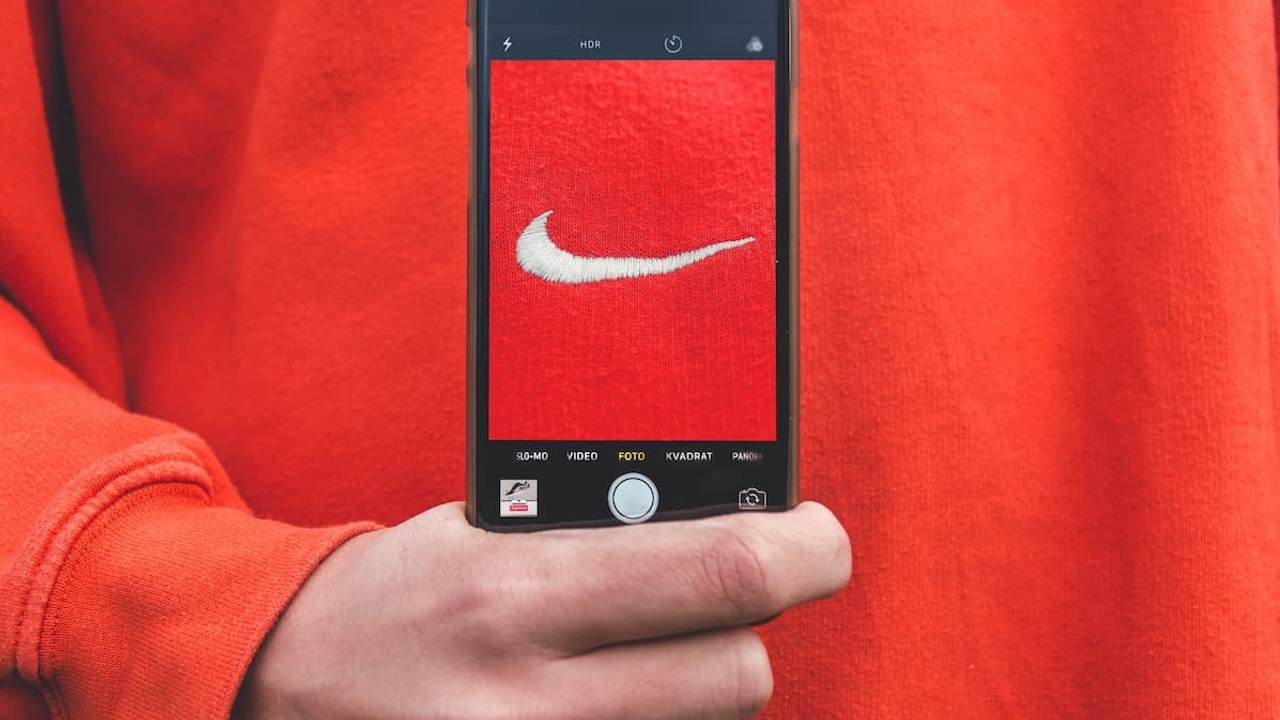
Jeff Bezos put it well: personal brand is what people say about you when you leave the room. If you're not known for something, or memorable in some specific way, career advancement gets a lot harder.
I was recently coaching a professional speaker who was struggling to find his tagline, the value statement that follows your name. Ironically, this speaker was an expert on communication, but calling himself "The Communication Expert" was too generic. I challenged him to articulate his Message, his Methodology, and his Market: what problem he solved, how he solved it, and who he solved it for.
We brainstormed many taglines and discarded the ones that were too general or easy to misread. Then the right one dropped, and it felt like the earth moved. Since he worked exclusively with C-level executives and helped them communicate with authority, we settled on "Boss-Level Communication."
That definition is a perfect fit for personal branding generally. Many people hold back on claiming their strengths because they're afraid of the haters, then feel frustrated when a less competent person gets promoted for putting themselves forward instead. The moment you have a brand, you increase your influence capital, your ability to get a willing yes to your ideas.
Two Exercises to Find Your Brand
First: Who are your heroes? Whether that's a historical figure, a business leader, or a family member, list three or four and write down what you value about them. What you value in your heroes is usually what you already value in your own life and career, whether you've named it yet or not.
Second: think of a life or career moment you're proud of, a time you succeeded at something or overcame an obstacle. What strengths did you apply? Courage, persistence, focus, something else? Those strengths are part of your personal brand, and you should be comfortable talking about them plainly.
Aristotle argued that influence requires ethos, pathos, and logos: character, emotional connection, and logic. A clear personal brand builds your pathos; it makes the connection easier and your point easier to land.
The Right Balance of Visibility
I do regularly share my ideas and insights here on my blog, in my speeches, and on my LinkedIn Profile. To maintain the balance, before posting, I ask myself
- Is it true?
- Is it relevant?
- Is it consistent?
In short, does it add value to the reader and is it consistent with my mission?
There is a lot of noise on platforms like LinkedIn, and it can be daunting to get started, or you might fear crossing the line, but if you don't share your ideas and insights, they are like money stuffed in a mattress that you have forgotten is there.
Engagement and Influence
Recently, I celebrated a milestone with 30,000 followers on LinkedIn. I appreciate all who read, like, and comment on my content.
Being a speaker and author can be surprisingly lonely. I spend a lot of time alone with a keyboard, with my thoughts, and it is only when I put ideas out there that I know whether I am providing insight, information, and transformation or just adding to the noise.
If you are considering increasing your engagement and influence, let me encourage you to share your insights; you don't know who your words will encourage.
I am so grateful that, as a leadership speaker, people come up to me after hearing what I have to say and share their plans with me. And sometimes someone will say that they read one of my books or a blog post and it impacted them.
Carl Jung had it right about engagement. He said,
"The meeting of two personalities is like the contact of two chemical substances: if there is any reaction, both are transformed."
So, will you be a catalyst by finding your voice?
Frequently Asked Questions
How do I find my personal brand?
Start with two exercises: list three or four people who inspire you and write down what you value about them, since that usually reveals what you already value in yourself. Then think of a moment you're proud of and identify the specific strengths, courage, persistence, focus, that got you there. Those strengths are your personal brand.
What is a personal branding tagline?
A tagline is a short value statement that follows your name, built from your Message, Methodology, and Market: what problem you solve, how you solve it, and who you solve it for. A good tagline is specific enough to be memorable and avoids generic titles that could describe almost anyone in your field.
How does personal brand build influence?
Aristotle described three components of influence: ethos (character), pathos (emotional connection), and logos (logic). A clear personal brand builds pathos, making it easier for people to connect with you and, in turn, easier to get a genuine yes to your ideas.
Turn Insight Into ActionReading about leadership can change what you know.Self-leadership changes what you do.Develop your leadership effectiveness → Explore Self-leadership Discover your leadership strengths & gaps → Choose an Executive Coach Unlock the potential of your team → Workshops & Masterclasses Ignite your event or conference → Book Andrew Bryant as your Leadership Speaker "Prescription without diagnosis is malpractice" |