
Friend or Foe? Understanding your Network
Mar 26, 2023
Last updated: August 18, 2026
I'm not sure whether night sentries really call out, "Who goes there, friend or foe?" but I'm certain that foes don't announce their intentions before making an attack. The same is true in our personal or professional network.
Here's a hard truth, most of the people you know are neither friends nor foes, they are neutral. They will smile in the corridor, will nod in a meeting, and may even like your occasional post, but when push comes to shove and you actually need support, they are nowhere to be seen.
A true friend or ally will come to your aid in times of duress, even at personal or reputational risk. Such friendship should be nurtured and treasured. In my opinion, they are like owning priceless art, you must look after them, appreciate them, and you can't have too many or your attention will be diluted.
A foe in your network is easier to spot, as they will actively sabotage you whenever there is an opportunity. Your loss is their win. Such people see the world in terms of competition, and rather than lament that such people exist, you can gain confidence in the fact that they feel threatened by your competence.
Beware of False Friends
"Don't tell me what they said about me, tell me why they were so comfortable to say it around you."
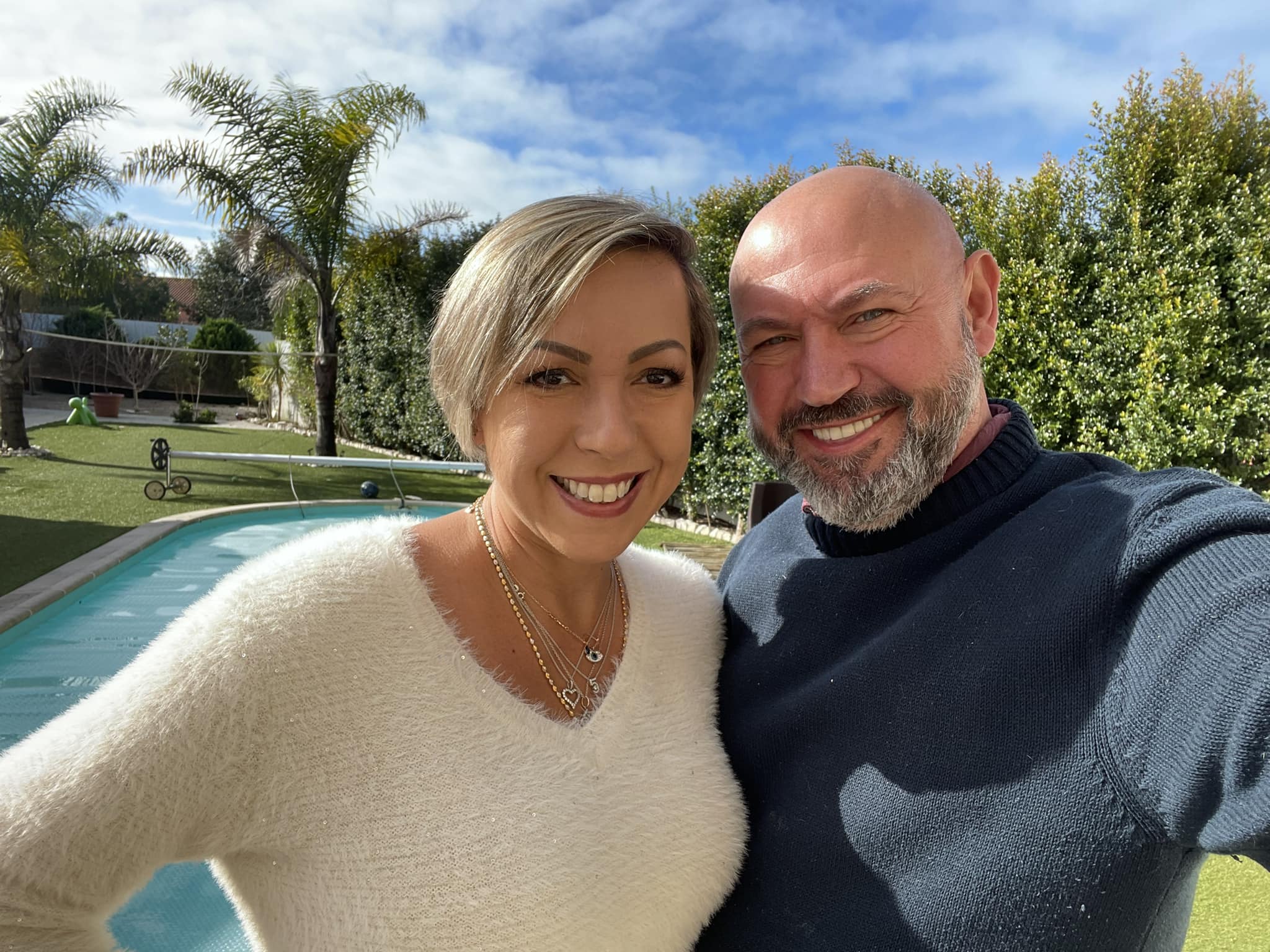
My wife is a great judge of character. When she and I first got together, my friends and acquaintances were unknowingly evaluated by her 'gut feeling'.
Despite my protestations, over time, she has been proven correct. When someone has come to me and told me about what others have said, my wife asks, "did they defend you?" This is the distinction between a true friend, or ally, and a neutral. It's the same test that sits behind "I've got your back" as the most powerful phrase a leader can say: it only means something when it's tested.
There's no need to be upset by this, but you do need to accept that you can only trust most people to the extent that supporting you benefits their outcomes.
To lead or influence, you must therefore 'frame' what you want in terms of how it benefits the people you wish to support you.
Building Your Network
"I went out to find a friend, and I couldn't find a friend anywhere. I went out to be a friend and there were friends everywhere."
I don't know where this short poem comes from, but it was taught to me at an early age and has helped me as I have moved around the world and found myself not knowing anyone.
The message is clear, be a friend first. Wherever possible offer your help and support first. Yes, I am aware that not everyone will reciprocate, and that some people are 'energy vampires' and unchecked will suck you dry. However, the realization that most people will just be neutral, and you only need a few friends and allies, will allow you to quickly assess which relationships to nurture.
Healthy Boundaries
In my leadership speaker keynote and books, I talk about creating a 'Me-Not Me' boundary. 'Me' is everything I am responsible for, such as my thoughts, feelings, and actions. 'Not Me' is everything that I have no ownership over, such as other people's opinions or actions. This clarity can save you from being a people-pleaser or being manipulated by others. I go into where this concept came from, and how it works under real pressure, in The Secret Saboteur of Executive Confidence.
"What other people think of me is none of my business."
Whilst a personal brand is important, what one individual thinks of you is beyond your control and should not take up any of your 'head space'. This is self-leadership applied directly to your relationships, not just your work.
Focus on living an authentic life, live your values, and add value wherever you can. When you do this, you will discover that:
"Your Vibe attracts your Tribe!"
Frequently Asked Questions
How do you tell if someone is a true ally at work?
Watch what they do when it costs them something. A true ally defends you when you're not in the room and comes to your aid at some personal or reputational risk. A neutral will smile in the corridor and never show up when you actually need support.
Why are most people in your network neutral, not friends or foes?
Because most relationships never get tested. Someone can be perfectly pleasant day to day without ever having to choose whether to back you when it costs them something. That's not betrayal, it's just neutrality, and it's the default for the majority of any professional network.
What is the Me-Not Me Boundary?
A coaching concept for separating what you're responsible for ("Me": your own thoughts, feelings, and actions) from what you aren't ("Not Me": other people's opinions and actions). It stops you from being a people-pleaser or getting manipulated by what others think of you.
How do you build a strong professional network?
Be a friend first rather than waiting to be offered one. Offer help and support before you need anything in return. Not everyone reciprocates, but once you accept that most people will stay neutral, it becomes easy to spot and invest in the few relationships worth nurturing.
Turn Insight Into ActionReading about leadership can change what you know.Self-leadership changes what you do.Develop your leadership effectiveness → Explore Self-leadership Discover your leadership strengths & gaps → Choose an Executive Coach Unlock the potential of your team → Workshops & Masterclasses Ignite your event or conference → Book Andrew Bryant as your Leadership Speaker "Prescription without diagnosis is malpractice" |