
12 Leadership Conversations Every New Manager Needs to Master
Apr 25, 2022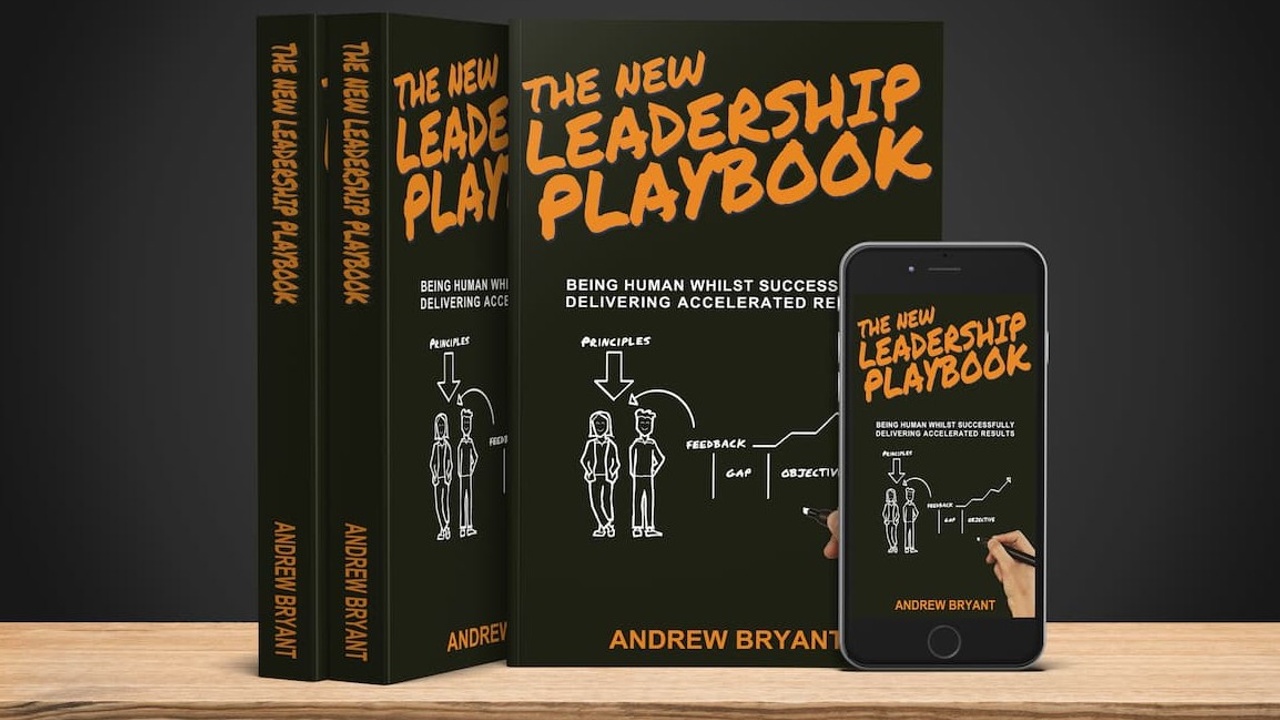
Most new managers are promoted for being good at the job, not for knowing how to lead the people now doing the job instead of them. Nobody hands you a script for the moment someone on your team misses a deadline for the third time, or the moment you need to tell a high performer they are not getting the promotion.
The New Leadership Playbook calls these plays, twelve specific conversations that cover almost everything a manager needs to say to their team. Here is how to actually run six of them.
The Why
Before you ask someone to do something, tell them why it matters. Not the company-wide why, their specific why. Open with what the task connects to, not just what the task is.
Ownership
The fastest way to create a passive team is to solve every problem for them. When someone brings you a problem, ask what they think the answer is before you offer yours. Most of the time they already know.
Feedback
The conversation fails when it starts with the behavior. Start with the impact instead, what actually happened as a result, then work backward to the behavior that caused it. People defend behavior. They rarely defend impact.
Confidence
New leaders often confuse confidence with certainty. You do not need to have the answer to sound confident. You need to be clear about what you do know, honest about what you don't, and decisive about what happens next.
Crucial Conversations
These are the ones everyone avoids, the underperformance talk, the conflict between two team members, the conversation where you disagree with your own boss. Waiting for the right moment is usually just delay wearing a disguise. The right moment is the one right after you noticed the problem.
Coaching
The instinct is to tell people the answer, because it is faster. Coaching is slower and it is the only version that actually builds a team that does not need you in every decision. Ask one more question than feels natural before you give your opinion.
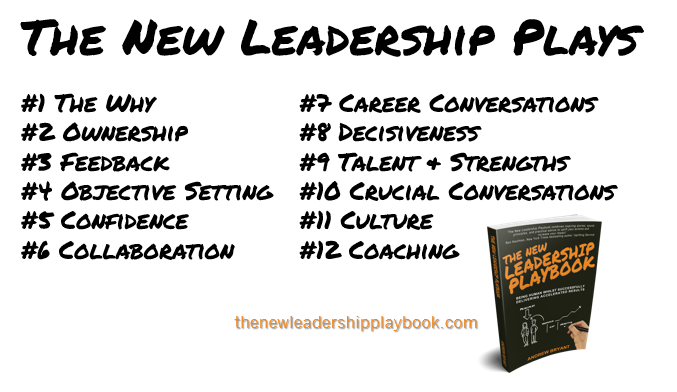
The other six plays, Objective Setting, Collaboration, Career Conversations, Decisiveness, Talent and Strengths, and Culture, follow the same pattern. Each is a specific conversation, not a management theory, and each one gets easier the more often you run it.
Where This Book Came From
The Playbook wasn't written in the abstract. In 2020, the Chief People Officer of one of my executive coaching clients asked me to write it, after I'd worked with her Executive Leadership Team, she wanted a way to cascade the same leadership behaviors down through the whole company. I agreed on one condition: that I would own the intellectual property to publish it myself, and that we'd collaborate closely to keep it current, relevant, and practical rather than theoretical. She agreed, and the result was The New Leadership Playbook: Being Human Whilst Successfully Delivering Accelerated Results.
These plays only work when they sit on top of the right principles, and that is really the harder half of leadership. The full framework, all twelve plays, and the seven leadership principles underneath them are laid out in The New Leadership Playbook.
Turn Insight Into ActionReading about leadership can change what you know.Self-leadership changes what you do.Develop your leadership effectiveness → Explore Self-leadership Discover your leadership strengths & gaps → Choose an Executive Coach Unlock the potential of your team → Workshops & Masterclasses Ignite your event or conference → Book Andrew Bryant as your Leadership Speaker "Prescription without diagnosis is malpractice" |