
Self-Leadership: Thriving in the Gig Economy
Apr 24, 2023
Last updated: August 23, 2026
The term 'Gig' comes from the music world, where performers book "gigs" that are single or short-term engagements. Roughly 36% of the US workforce now freelances or does some form of gig work, according to Upwork's Future Workforce Index, and that share has been climbing steadily year over year.
As a result, there's been a growing need for individuals to develop effective self-leadership skills in order to successfully navigate this new work landscape. This applies just as much to founders running their own company as it does to solo gig workers; see Self-Leadership for Entrepreneurs: Lead Yourself First, Then Your Business for the fuller framework.
Understanding Self-leadership
Self-leadership refers to influencing oneself to achieve one's goals and objectives. It's about taking charge of your own life, being proactive, and taking responsibility for your actions. In the gig economy, where individuals have more control over their work schedules and tasks, self-leadership becomes essential for success.
"Self-leadership is the practice of intentionally influencing your thinking, feeling, and actions toward your objectives." (Bryant & Kazan 2012)
The Importance of Self-Leadership in the Gig Economy:
There are several reasons why self-leadership is crucial in the gig economy:
- Autonomy: Gig workers have greater control over their work, making it essential to manage their time, set goals, and stay motivated.
- Uncertainty: The gig economy is characterized by frequent changes and unpredictable income, requiring workers to be adaptable and show resilience.
- Work-Life Balance: Gig workers often juggle multiple projects and must maintain a healthy balance between their personal and professional lives.
Self-Leadership Strategies for Gig Workers
There are many self-leadership strategies that can help gig workers succeed in their careers:
- Goal setting: Establishing clear, specific, and achievable goals can provide a sense of direction and help maintain focus.
- Self-awareness: Recognizing one's strengths, weaknesses, and preferences can help gig workers make informed decisions and tailor their work to suit their needs. See Self-Awareness at Work for the practices that build this skill specifically.
- Self-motivation: Developing intrinsic motivation and a strong sense of purpose can drive gig workers to push through challenges and stay committed to their goals.
- Self-regulation: Managing emotions, stress, and time effectively can help gig workers maintain a positive attitude and stay productive, especially without a manager or team structuring the day for you. See Why Willpower Isn't the Answer to Self-Regulation for what actually works here.
So, how can you develop your self-leadership skills? Here are some tips:
- Reflect on your values, strengths, and passions to develop a clear sense of purpose.
- Set SMART (Specific, Measurable, Achievable, Relevant, and Time-bound) goals and track your progress regularly.
- Cultivate a growth mindset and embrace challenges as opportunities for growth and learning.
- Create a support network of mentors, peers, and friends who can offer guidance, encouragement, and accountability.
- Practice self-compassion and maintain a healthy work-life balance.
From Gig Work to Entrepreneurship
For some gig workers, the natural next step is building a full company rather than staying solo. The self-leadership skills covered above, self-awareness, self-regulation, self-directed goal-setting, don't change when that happens; they just get tested at a larger scale. If you're feeling that shift, Self-Leadership for Entrepreneurs covers the fuller daily practice built for exactly that transition.
Conclusion:
Strong self-leadership skills are essential to thrive in the rapidly evolving traditional organizations but are crucial for those in the Gig economy. By understanding the importance of self-leadership, employing effective strategies, and working on personal development, gig workers can thrive in this dynamic working environment.
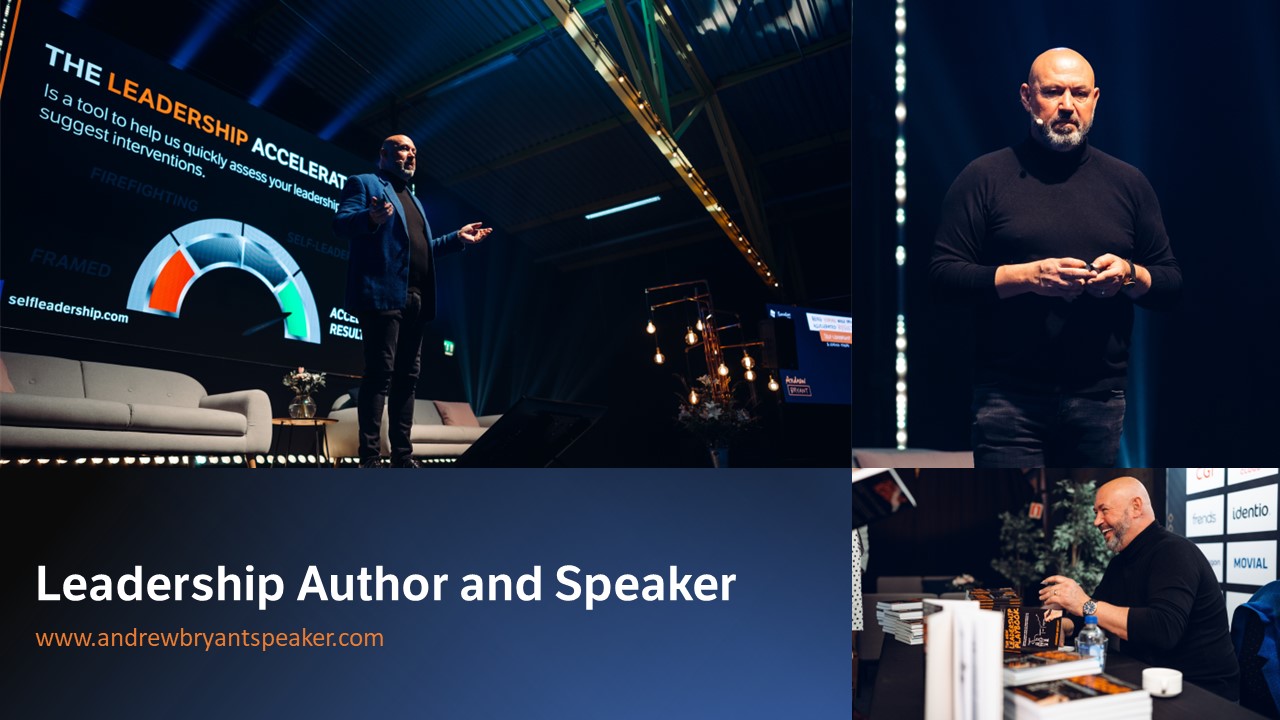
Andrew Bryant is the author of five books on leadership and self-leadership, including The New Leadership Playbook and his latest, POTENTIAL-IZE.
From London to Lisbon, Singapore to Stockholm, Andrew gives engaging keynote speeches about how self-leadership can drive results.
Contact Andrew to engage his self-leadership insights.
Frequently Asked Questions
What essential skills does success in the gig economy require?
Adaptability, resilience, self-awareness, and self-regulation. Adaptability and resilience help you handle unpredictable income and constant change; self-awareness helps you recognize your own strengths, patterns, and blind spots; self-regulation helps you manage stress and stay productive without a manager structuring your day for you.
How do you thrive in the gig economy long-term?
By building the self-leadership skills that replace what a traditional employer would normally provide: your own goal-setting, your own accountability structure, and your own recovery routine. Gig workers who treat these as optional tend to burn out; those who build them deliberately tend to last.
When should a gig worker consider becoming a full-time entrepreneur?
When the self-leadership skills that already support solo gig work, self-awareness, self-regulation, and self-directed goal-setting, start feeling insufficient for the scale you're operating at, that's usually a sign you're ready for the fuller entrepreneurial version of the same practice, not a completely different skill set.
Turn Insight Into ActionReading about leadership can change what you know.Self-leadership changes what you do.Develop your leadership effectiveness → Explore Self-leadership Discover your leadership strengths & gaps → Choose an Executive Coach Unlock the potential of your team → Workshops & Masterclasses Ignite your event or conference → Book Andrew Bryant as your Leadership Speaker "Prescription without diagnosis is malpractice" |