Self-Leadership Coach for CEOs and Senior Leaders
Executive Coaching Built on Research-Informed Self-Leadership
Andrew Bryant, CSP, doesn't just coach executives.
He did the research and wrote the books the method is based on, then took it global.
Book a Strategy Call →
Certified Speaking Professional · Professional Certified Coach (ICF).
Coaching senior leaders and C-suite executives worldwide for 25+ years in 40+ countries.










The Self-leadership Method
Most executive coaching draws on borrowed frameworks or personality models built for something else. This one is different: it comes from the academic text that defined the field.
Self-Leadership (Bryant & Kazan, McGraw-Hill, 2012) established self-leadership as the foundation for leadership development. It has been referenced in 200+ academic publications, doctoral research, and scholarly sources. Every coaching engagement is built on the same foundation:
- Self-Awareness — diagnosing the specific gap between how an executive intends to show up and how they're actually perceived, before any development work begins.
- Self-Regulation — building the capacity to stay composed and clear-headed under real pressure, not performance-managed calm that collapses when it matters.
- Self-Learning — the discipline of closing the gap deliberately, at the pace the role demands, not the pace a generic program assumes.
This is the same methodology behind the IGNITE Framework and POTENTIAL-IZE (Wiley, 2026).
Take the Driver/Passenger distinction, one of the tools every client works through early on. A Passenger reacts. A Driver decides. Most executives can tell you which one they are in the room, under pressure, when a meeting turns hostile, or the numbers come in short.
Ownership is the difference between a coaching insight and an actual behavior change. An executive who owns a decision, a setback, a blind spot, is the one who acts on what surfaces in a session. Without that ownership, coaching is just an interesting conversation people forget by Friday.
Senior leaders don't get uncertainty-free jobs. They face greater uncertainty at higher stakes, with less room to be visibly rattled.
The self-leadership competencies build the capacity to stay clear-headed when the pressure is real, not a performed calm that cracks the first time it's tested.
Decisions made from that place, anchored in values and long-term goals rather than whichever fire is loudest today, are the ones that still hold up a year later.
Meet Your Executive Coach

When you "join the dots" backward, Andrew Bryant has spent his entire professional experience changing mindsets and developing human performance.
Andrew's path to coaching started in physiotherapy, not business school; a clinical background in diagnosing what's actually happening before prescribing a fix, which is exactly the discipline he brings to executive coaching. Read the full story →
Today, Andrew not only coaches executives directly. He trains other coaches to deliver the same methodology through the Andrew Bryant Self-Leadership (ABSL) Coach Certification, a 12-week program built on the complete self-leadership intellectual system he developed. Few executive coaches anywhere can say their method is taught to a network of certified practitioners beyond their own practice.
Andrew is the author of five books on self-leadership, leadership, and communication. His latest book, POTENTIAL-IZE: How Leaders Unlock Human Potential in the Age of AI (Wiley, 2026), brings that research together into the IGNITE Framework.
Every coaching engagement is structured around it: a diagnostic assessment, personalized development across the six elements, optional psychometric profiling, and accountability between sessions, so the change doesn't evaporate the moment the call ends.

Andrew Bryant: Self Leadership Coach
Most executive coaching addresses performance: a better meeting, a sharper strategy update, or more effective managing up. Self-leadership (also spelled self leadership) coaching works one level deeper. Instead of coaching you toward a specific outcome, it builds the underlying capacity, self-awareness, self-regulation, and self-learning that determines whether every other leadership skill actually sticks.
Why choose it over generic executive coaching?
- It targets the cause, not the symptom. Executive coaching often optimizes for a role or a result. Self leadership coaching builds the internal operating system, so gains transfer to the next role, the next crisis, the next reorg, instead of resetting every time your circumstances change.
- It's measurable. Bryant's three-driver model has built-in measures, so progress is tracked, not assumed.
If your goal is a sharper quarter, executive coaching can get you there. If your goal is a leader who doesn't need to be rebuilt every time the context changes, that's self leadership coaching.


Andrew’s coaching has been transformational for me.
Dr. Lakshmi Ramachandran, PhD
How to Choose an Executive Coach
(or a Self-Leadership Coach)
The executive coaching market has no barrier to entry. Anyone can call themselves a coach, which means the burden of evaluation sits entirely with the buyer, whether that's an individual investing in their own development or an HR leader selecting a partner for a growing organization.
Four criteria separate a credible coach from a well-marketed one:
- An evidence base, not just testimonials. Ask what research the coach's methodology is built on. Testimonials show that people liked the experience. Peer-reviewed evidence shows the method actually changes behavior.
- A named, teachable methodology. Vague language like "personalized approach" or "holistic development" is a warning sign. A credible coach can name their framework, explain where it came from, and show it holds up applied to a stranger's specific situation, not just describe it in the abstract.
- Recognized certification. ICF credentials (or an equivalent recognized body) indicate a coach has been trained and assessed against a professional standard, not simply decided to start coaching.
- Scalability for organizations. If a coaching engagement needs to extend beyond one executive, it's worth checking whether the coach's methodology is documented and teachable to others, or whether the results depend entirely on a single person's style.
For a deeper look at the evaluation process, including what to ask in a first meeting and how to choose among a coach, a consultant, and a mentor, see "How to Choose an Executive Coach, for You or Your Organization."
Andrew Bryant's coaching is built on his research-based and proven Self-Leadership methodology and is delivered through the IGNITE Framework. It's also the same methodology he certifies other coaches to deliver through the ABSL program, which few executive coaches can say about their own practice.
Why Self-leadership Coaching Works
Executive coaching claims are common. Independently verified evidence for a specific method is rare.
- A 2022 meta-analysis (Knotts et al.) examined 57 effect sizes across more than 16,000 observations and found a corrected correlation of ρ = .38 between self-leadership and individual performance outcomes.
- A 2021 meta-analysis (Krampitz et al.) found that self-leadership training yields an average treatment effect of 0.41, confirming that the competencies are genuinely teachable rather than fixed traits.
- A 2025 longitudinal study (Vargas et al., published in PLOS ONE) tracked 64 middle managers in the FMCG sector through an eight-week self-leadership program, collecting 4,383 daily measurements. Increases in self-leadership were associated with greater flow and happiness at work,
This is the evidence base underneath the coaching, not marketing language layered on top of it.
Two Ways to Work with Andrew Bryant
Book a Strategy Call →
Corporate 1:1 Executive Coaching
This is sponsored by your organization or as part of a workshop or masterclass conducted for your company.
- The coaching objectives are set in consultation with your manager or HR, but the content of the coaching remains confidential.
- The typical duration for a first assignment is six months, with sessions every two weeks.
- Delivered as virtual executive coaching, one-on-one and fully online, with no reduction in depth for time zone or distance.
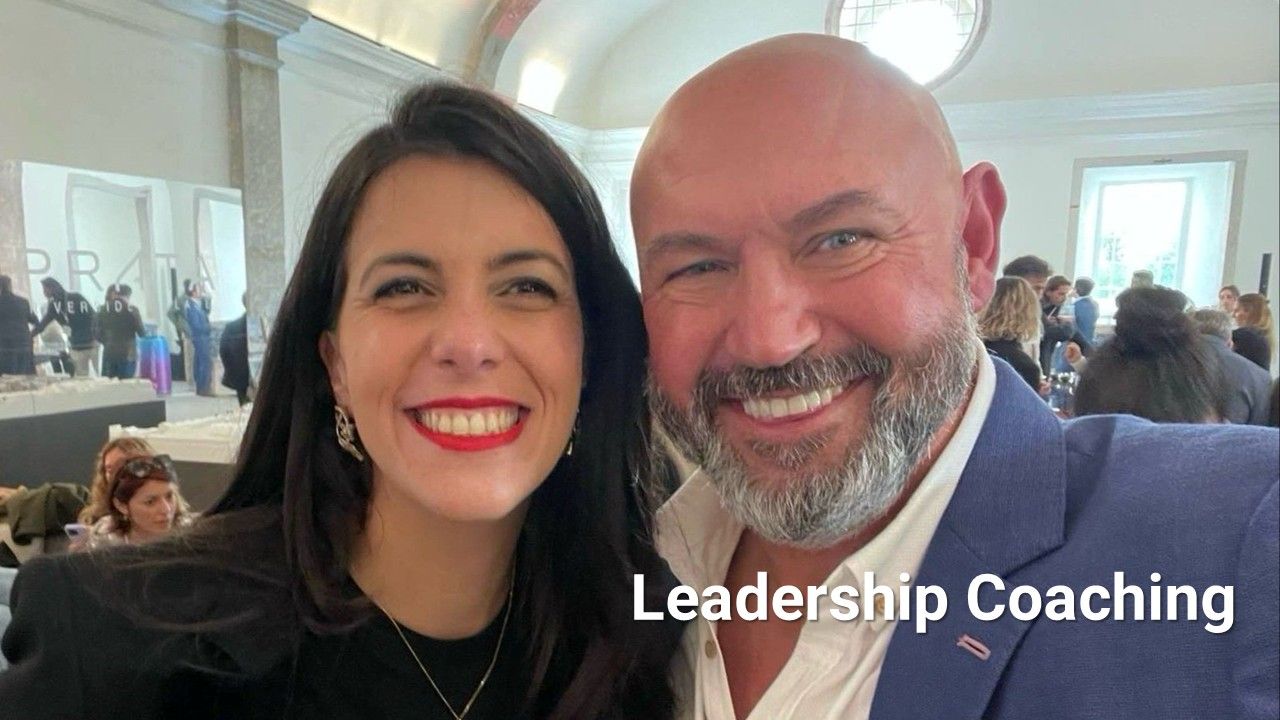
Personal 1:1 Leadership Coaching
You have chosen to invest in your own development, typically with the goal of advancing to a senior leadership position.
- You will be coached in self-leadership, executive presence, and influence capital, and have access to a comprehensive library of resources to help you achieve your objectives.
- The typical duration for a first assignment is 3 months, with the option to continue on a month-by-month basis.
- Fees are a subscription model, shared after a chemistry call
Andrew Bryant is an excellent coach, and I appreciate his contribution to my development and transition from a regional General Manager to a Director with global responsibility.
I greatly value his guidance and mentoring; our work together was a key step in my career development. I was also fortunate to have Andrew present at several of our large-team meetings, and his ability to inspire change played a crucial role in forming high-performing teams.
Stephen Hodson - Marketing and Program Director

For Leaders
- Increase efficiency and productivity
- Enhance personal power and executive presence
- Develop emotional intelligence and self-awareness
- Navigate challenges and change with confidence
- Unlock your full leadership potential
- Sharpen the judgment that no algorithm can do for you
For Organizations
- Greater employee engagement
- Improved collaboration across teams
- Enhanced readiness for change
- Stronger innovation capabilities
- Better strategic objective achievement
- Workshop insights that stick, reinforced by 1:1 coaching
For senior leaders whose development needs to happen alongside their peers, where the dynamic of the Executive Leadership Team is as much the work as the individual coaching, Andrew offers ELT-specific facilitation.

Our organization used Andrew’s services to prepare the team and me to present and pitch to senior executives of large MNCs. He has a practical approach to coaching. He tells you the truth and does not mince his words. He identifies your strengths to leverage them while focusing on overcoming your weaknesses."
Anbath Shanmugam - Group CEO

Why Executive Coaching Matters
Most executives don't have a competence problem. They have a visibility problem.
You've told yourself the story before: work harder, deliver more, and eventually someone will notice. It rarely works that way. Without visibility, there's no influence. Without influence, there's no leverage. And without leverage, you don't get the room, the promotion, or the seat at the table, no matter how good the work is.
The truth is simple and uncomfortable: if nothing changes, nothing changes.
The gap isn't ability. It's the mindset and behaviors standing between where you are and where you're capable of being. That's what coaching closes, one conversation at a time, with someone whose only job in the room is your development.
- Gain clarity and confidence
- Overcome imposter syndrome as a new executive
- Navigate a career transition into a leadership role
- Build executive presence and influence
- Get the C-Suite position you've been circling
- Gain support and mentorship as a founder
Developing Executive Presence and Influence are the most common reasons people seek an executive coach. The reason is straightforward: these capabilities are essential for becoming a C-Suite leader.
Executive Presence is the ability to project confidence and gravitas under pressure, as well as the ability to read the room.
Explore Executive Presence →What You'll Achieve Through Coaching
Andrew has coached executives across Portugal, the UK, Singapore, Australia, the GCC, and the United States, in every case working from the same evidence-based methodology rather than a generic template applied across markets.
Here's what some of them say:

Kimberley Simms
"Andrew coached me on effective communication and presentation styles.
He also coached our Executive Leadership Team (ELT) to align as a Team. His style is not only fun but effective."
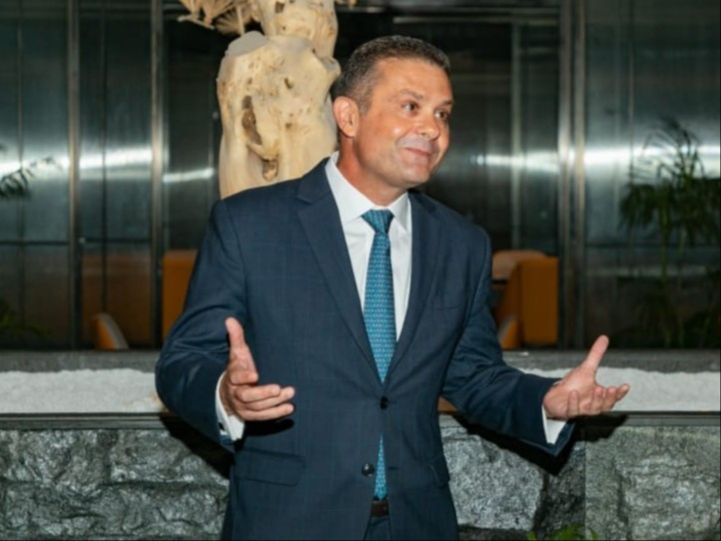
David Jorden
"I first met Andrew when he facilitated a senior leadership workshop. What struck me was his absolute honesty, application, and skill in managing a group of leaders with his presence and great intelligence.
When it was time for my transition to the C-Suite, I called him, and the assistance was invaluable. He identified my strengths and inspired confidence in how to apply these for the best effect. Each session was thought-provoking, professional, and very worthwhile."

Basant Singh, MBA
"I am really grateful for Andrew’s coaching; it has helped me immensely. I feel more confident and self-aware, with the self-efficacy to build Executive Presence.
This learning has helped me secure a Global Head Product Role. Andrew's approach helps leaders move up the ladder. I personally saw 2-3x growth in every aspect within 4 months after his coaching."
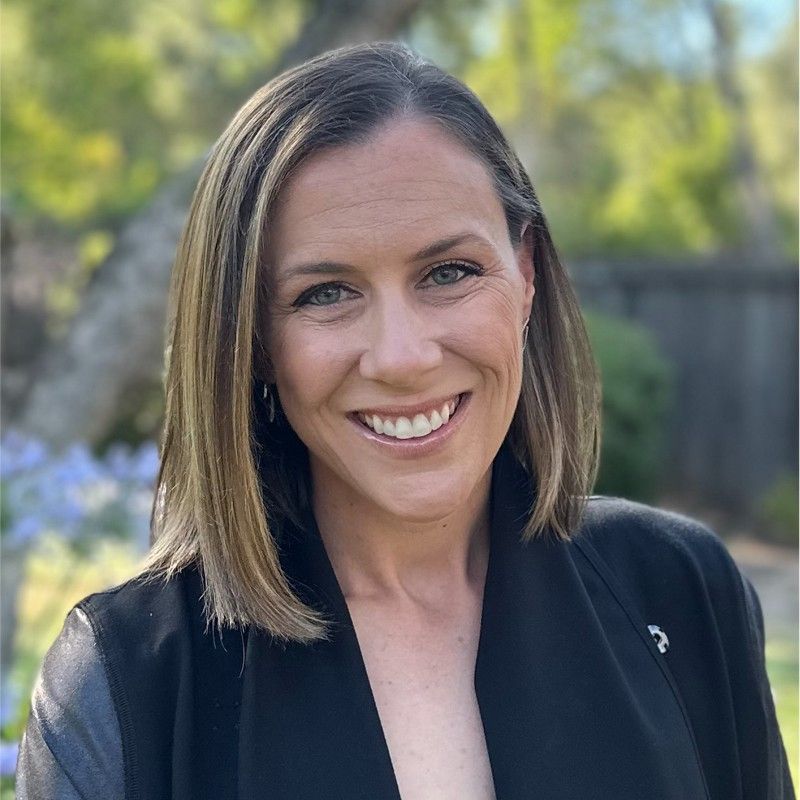
Laura Holmes
"Andrew is a transformational and exemplary executive coach.
After working with him for a year, I've grown in my own personal self-leadership skills and look forward to the opportunities to come in my career because of his influence.
Andrew is a magician with people, consistently giving honest and unbiased coaching while motivating at every turn."

Mia Lindsey
"I don’t know about you, but what I‘d like in a coach is someone who will tell it to you like it is, no sugarcoating; who looks at you with clear eyes and recognizes your strengths and weaknesses and helps you to leverage both to succeed in the real world; but above all someone who will truly listen to you and actually cares about you and your success.
That’s Andrew."
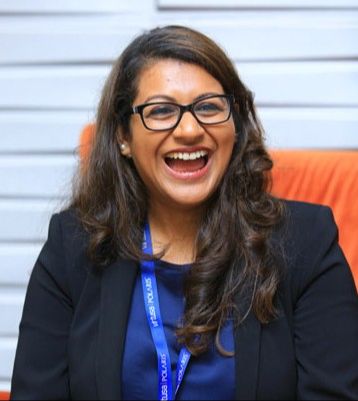
Anjali Thalayasingam
"It’s extremely difficult for me to articulate just how much Andrew has done for me professionally. He is a tough, no-holds-barred leadership coach who took the time to understand me and worked through my areas for improvement with patience and thoughtfulness."
Executive Coaching FAQs
Which is better executive coaching or a leadership workshop?
Is Andrew Bryant a self leadership coach?
What's the difference between self leadership coaching and executive coaching?
Do you coach CEOs and C-suite executives internationally?
How long does executive coaching take to show results?
Is this coaching available fully online?
What does a coaching engagement actually include?
How do I choose an executive coach?
What should I look for when selecting an executive coaching firm?
Coaching Beyond Any Single Market
Andrew works with executives across North America, Europe, and Asia-Pacific, including London, Singapore, Dubai, and Lisbon, all delivered online — virtual, one-on-one sessions — with no reduction in depth or accountability. See his in-person availability for keynotes and workshops in:
[London] [Lisbon] [Stockholm] [Madrid] [Barcelona] [Dubai] [Singapore] [Sydney]
Coaching Insights, From Actual Coaching Sessions
Every idea here started as a question a client asked me first. Here's what I've been working through most recently as an executive coach, on the patterns I keep seeing in the room and what actually moves the needle.
More from the coaching room: see all executive coaching posts.