
In the UK, Anyone Can Call Themselves an Executive Coach by Tomorrow Morning
Jul 31, 2026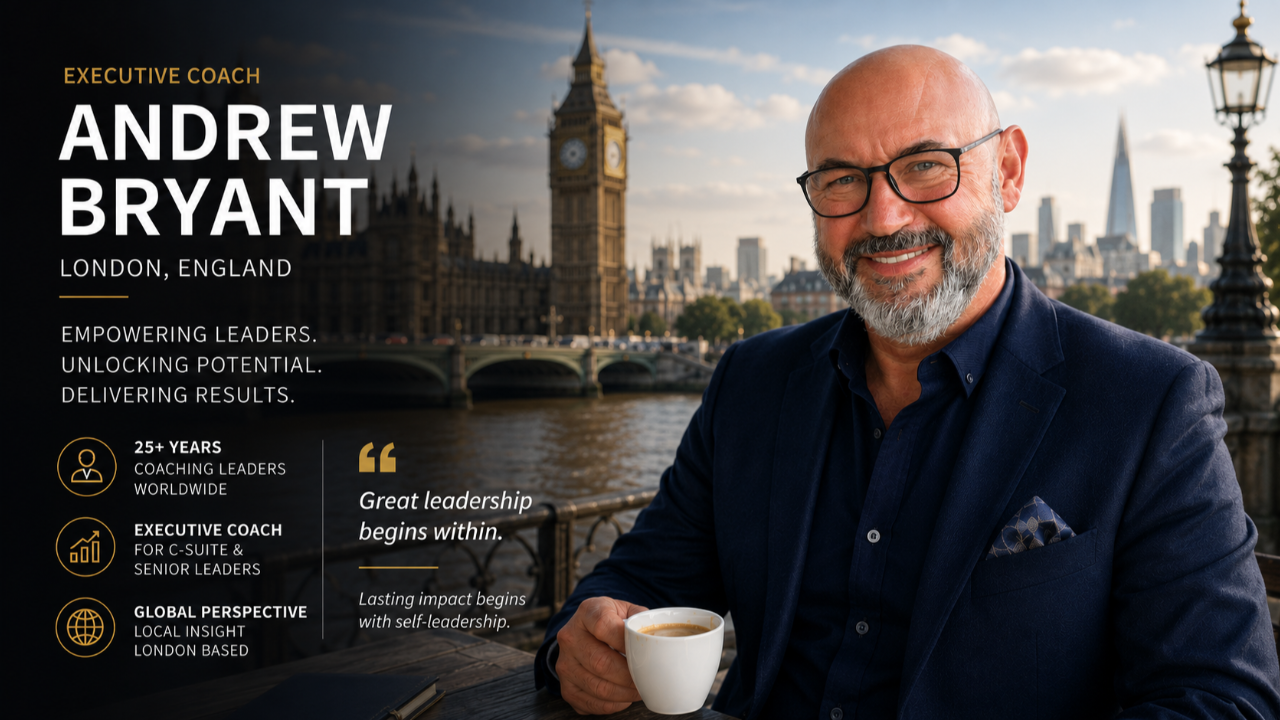
No training. No supervision. No accountability body. If you decided tonight that you were an executive coach, you could put up a website and start taking clients before your coffee's gone cold. Coaching is one of the only fields advising senior leaders on high-stakes decisions with zero legal barrier to entry, unlike law, medicine, or accountancy, where a governing body would shut that down in a week.
That's not a fringe complaint. It's the plain, well-documented state of the industry, and it's exactly why London leaders keep ending up with coaches who are pleasant to talk to and useless to work with.
It's also why the industry runs on unverified claims nobody checks. Search "executive coaching ROI" and you'll find the same statistic on nearly every site: coaching delivers a 700% return on investment. What almost nobody mentions is that the figure comes from a single 2001 study of 43 leaders at one manufacturing company, based on self-reported estimates, never independently replicated at scale. Twenty-five years on, an unregulated industry is still using it as a benchmark because no one is checking it.
London has a coaching supply problem, not a demand problem
London's executive coaching market isn't short of interest. Leaders across the city are searching for it in real numbers every month. What's harder to find is a coach willing to diagnose before they prescribe.
I trained originally in physiotherapy and acupuncture, working with elite athletes before I ever coached an executive. In that world, there's a phrase every practitioner learns early: prescription without diagnosis is malpractice. You don't hand someone a treatment plan before you understand what's actually wrong. You test, you observe, you ask the uncomfortable question, and only then do you prescribe.
Most executive coaching doesn't work that way. It sells a framework first and fits the leader into it afterward. Twelve sessions, same structure, same worksheets, regardless of whether the leader's problem is confidence, delegation, burnout, or something they haven't named yet because nobody's asked the right question.
That's the gap in London right now. Plenty of coaches. Very few doing the diagnostic work first.
What I bring
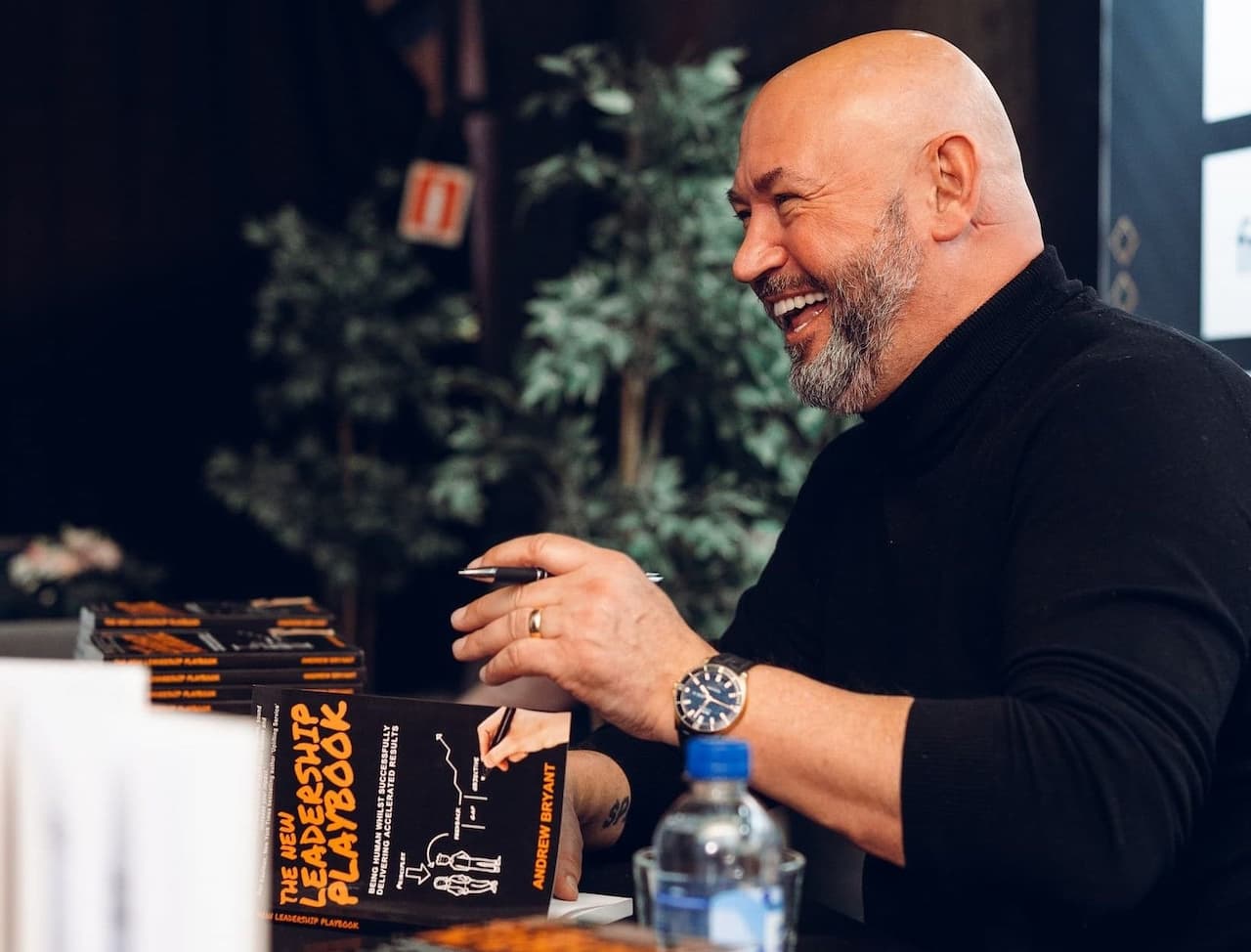
I was born in Sussex and studied in London before my work took me to Asia for seventeen years and then across more than 40 countries, coaching and speaking on self-leadership for organizations including Microsoft, Airbus, Deloitte, and Visa. I now live in Portugal, which means London clients experience minimal time-zone friction, with the benefit of a coach who has spent 25+ years observing what leadership development looks like when tested outside any single market's assumptions.
The methodology I developed and use, self-leadership, isn't a motivational add-on. It's built on three testable competencies: self-awareness, self-regulation, and self-learning. Coaching starts by establishing where a leader is actually weak across those three, not where a template assumes they're weak. Some leaders don't need more strategic frameworks. They need to notice what they're regulating away from before it costs them the room. Others are highly self-aware but haven't built the systems to act on what they already know about themselves. The diagnosis completely changes the engagement, and it's why coaching built this way tends to hold up under pressure rather than fading after the twelve sessions end.
This is also the thinking behind IGNITE, the framework at the center of my latest book, POTENTIAL-IZE, which looks at how leaders unlock human potential in an environment being reshaped by AI. The framework exists because generic leadership development, coaching included, wasn't built for a moment in which judgment, not just execution, is what leaders are being asked to provide.
What a London engagement actually looks like
Coaching typically runs three to six months, delivered one-to-one, entirely online, with no reduction in depth or accountability compared to sitting across a table. It draws on the same evidence-based approach behind my keynotes and workshops, applied individually rather than to a room.
If you're an HR leader or a leader yourself trying to work out whether coaching is the right investment before you commit budget, that's worth reading first: how to choose the right executive coach.
If you already know you want to talk, you can see the full approach and book a call here: executive coaching for CEOs and senior leaders.
And if you're looking for a London-based keynote alongside coaching for your leadership team, that's covered here too: speaking and coaching in London.
The 700% figure will probably keep circulating. It's a good headline. But the leaders who get real value from coaching aren't the ones who were sold a statistic. They're the ones who got diagnosed first.
Turn Insight Into ActionReading about leadership can change what you know.Self-leadership changes what you do.Develop your leadership effectiveness → Explore Self-leadership Discover your leadership strengths & gaps → Choose an Executive Coach Unlock the potential of your team → Workshops & Masterclasses Ignite your event or conference → Book Andrew Bryant as your Leadership Speaker "Prescription without diagnosis is malpractice" |