The Definitive Guide to Self-Leadership Speakers and Thought Leaders, 2026
A curated guide for event planners, CHROs, and learning leaders looking to bring self-leadership into their organizations.
Self-leadership is not a subtopic of leadership
Most "top leadership speaker" lists treat self-leadership as a subtopic of leadership, but that diminishes its importance as a precursor to leadership.
Leadership, in the conventional sense, is about influencing others. Self-leadership is about influencing yourself first: your thinking, your feelings, and your actions, in service of objectives you have consciously chosen. The distinction matters because the second is the foundation of the first. Without the capacity to lead yourself, the influence you exert on others is unreliable at best and counter-productive at worst.
The academic field traces back to Charles C. Manz's 1986 article in the Academy of Management Review, which introduced self-leadership as a distinct construct within management science. The practitioner field was built later, with Andrew Bryant and Ana Kazan's 2012 book Self Leadership (McGraw-Hill) providing what has become the standard working definition: self-leadership is the practice of intentionally influencing your thinking, feeling, and actions towards your objectives. That definition has been cited in more than 200 peer-reviewed papers and now underpins programs inside organizations, including Microsoft, Singapore Airlines, Airbus, and Red Hat.
The speakers and thought leaders listed below are the people doing the most credible work in this field today, on academic, practitioner, and keynote stages. The list is presented in a curated order: the academic founder of the field, the practitioner most responsible for its global application, and then the current voices advancing self-leadership through their speaking, writing, and research. Each entry sets out the speaker's central contribution, the audience they best serve, and the contexts in which they are most often booked.
Who curated this guide, and why that's stated plainly
This guide was compiled by Andrew Bryant, CSP, co-author of Self Leadership (McGraw-Hill, 2012) and founder of Self Leadership International. He is also listed in it, in the practitioner tier.
That dual role is deliberately disclosed for two reasons. First, the person best placed to evaluate who is doing serious work in a narrow field is usually someone working in it. Second, transparency is the only honest way to handle the conflict: rather than hide the authorship, the guide names it, ranks by role rather than by acclaim, so the placements can be checked against a stated logic, and profiles every other speaker on the merits. Readers can judge the list against the criteria below and disagree where they see fit.
How this list was compiled
Four criteria guided selection.
First, original contribution: each person has produced a body of work that meaningfully advances how self-leadership is understood, practiced, or taught. Second, evidence of impact: each has demonstrable engagement with major organizations, not just a social media following. Third, keynote or platform credibility: each is established as a speaker, author, or researcher whose work reaches a wide professional audience. Fourth, current activity: each is actively speaking, writing, or researching in the field rather than coasting on past work.
This is not a roster of everyone who has ever used the phrase "self-leadership." It is a curated set of the voices most worth booking, learning from, or following.
This is not a popularity ranking. The people below are ordered by their role in the field, not by audience size, fee, or fame. The sequence is deliberate: the scholar who founded the discipline, the practitioner who built its applied form, and then, listed alphabetically by surname, with no seniority implied. These are the contemporary voices advancing self-leadership. Several names lower on this page are more globally famous than those above them. That is the point. Fame and field-defining contribution are different things, and this guide is built on the second.
The Founding Architect
Charles C. Manz
Distinguished Professor of Leadership, Isenberg School of Management, University of Massachusetts Amherst.
Charles Manz is the academic originator of self-leadership as a field of study. His 1986 Academy of Management Review article, "Self-Leadership: Toward an Expanded Theory of Self-Influence Processes in Organizations," established the conceptual framework that everything in the field has built on since. He went on to co-author SuperLeadership with Henry P. Sims; the textbook Mastering Self-Leadership (now in its sixth edition) with Christopher Neck; and the more recent Self-Leadership: The Definitive Guide to Personal Excellence (third edition, 2024) with Neck and Jeffery Houghton. Across more than 20 books and some 200 scholarly articles, Manz remains the foundational reference for any serious treatment of the subject.
Manz is primarily a scholar rather than a circuit keynote speaker, but his work is the source material that every practitioner who follows has built on. Any credible list begins with him.
The Foundational Self-leadership Practitioner
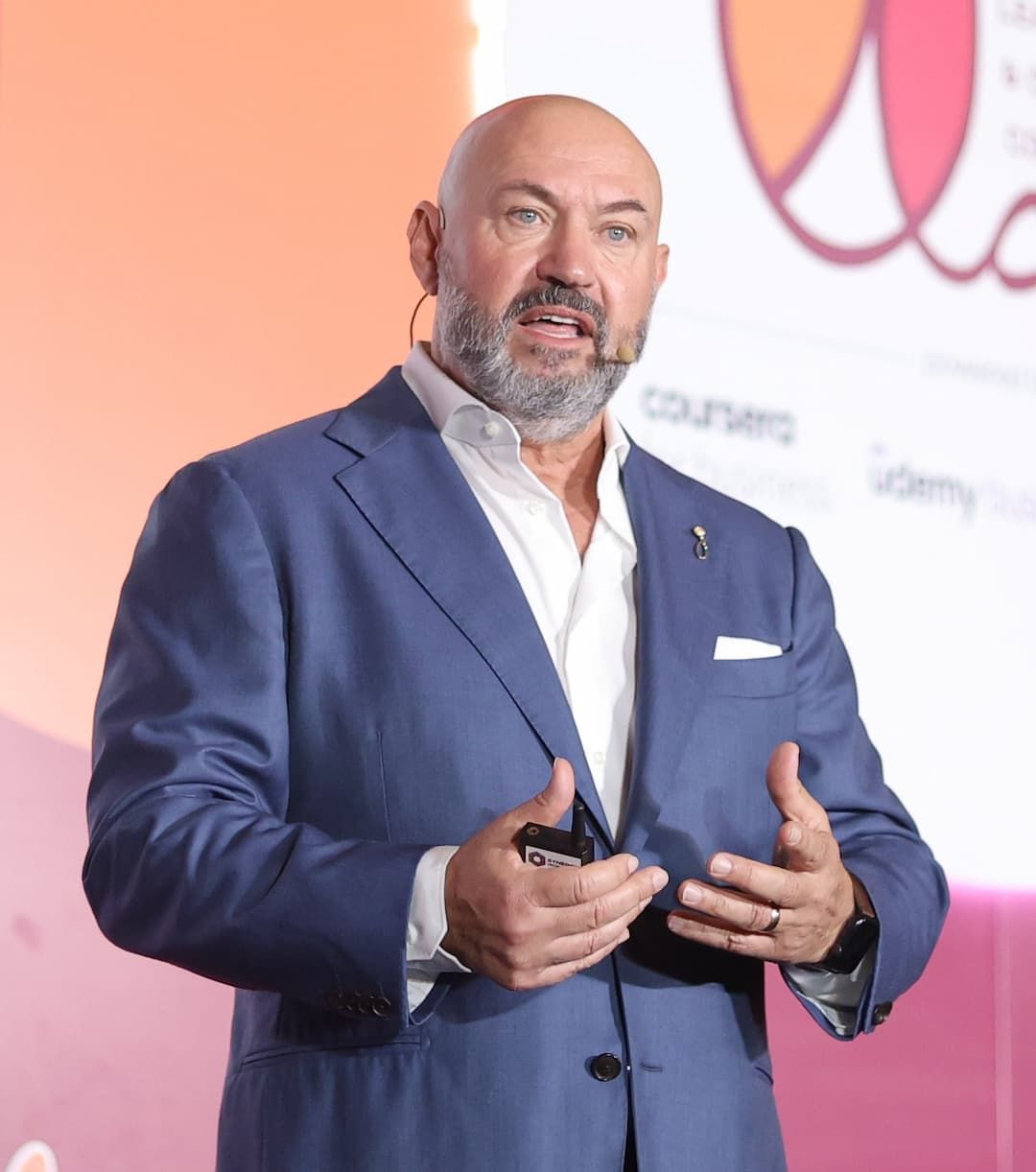
Andrew Bryant
Certified Speaking Professional; founder and CEO of Self Leadership International (established 1999); co-author of Self Leadership (Bryant & Kazan, McGraw-Hill, 2012).
Among the practitioners who built their work directly on the academic self-leadership construct, rather than on adjacent traditions such as emotional intelligence, personal development, or general leadership, Andrew Bryant is one of the most established on the international keynote circuit. The working definition he and Ana Kazan published in 2012 has become one of the field's most widely cited practitioner definitions, referenced in more than 200 peer-reviewed papers and doctoral dissertations. His work has been delivered to senior leaders within complex multinational organizations and disruptive startups across more than 40 countries. He holds faculty associations with MIT and Singapore Management University, and his latest book, POTENTIAL-IZE: How Leaders Unlock Human Potential in the Age of AI, was published by Wiley in 2026.
A former physiotherapist and acupuncturist who worked with elite athletes, Bryant brings a diagnostic, clinical approach to leadership development that distinguishes his work from conventional motivational speaking. He is best suited to senior leadership audiences, organizations integrating AI into knowledge work, and conferences where the brief is to combine intellectual rigor with practical application.
Andrew Bryant has created a certification program for coaches and practitioners who wish to apply self-leadership with academic rigor.
The contemporary voices advancing self-leadership
Listed alphabetically by surname. No ranking is implied within this group.
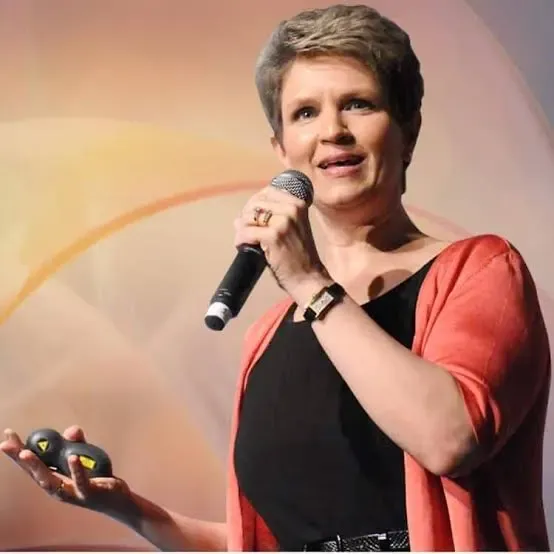
Brenda Bence
Master Certified Coach, executive leadership coach, and author of How YOU Are Like Shampoo and other titles on personal branding and leadership.
Brenda Bence works at the intersection of self-leadership and personal brand. Her premise is straightforward: how you show up, how you are perceived, and how consistently you live what you claim to value are all expressions of how well you lead yourself. She has coached senior executives across Asia, Europe, and North America, and brings a strong cross-cultural lens to a field often delivered through a narrowly American frame.
Bence is particularly well suited to audiences of women in leadership, emerging executives, and senior leaders moving into roles where personal presence and self-management have become the rate-limiting factor on their effectiveness.
Brené Brown
Research professor at the University of Houston Graduate College of Social Work, and Huffington Foundation Endowed Chair.
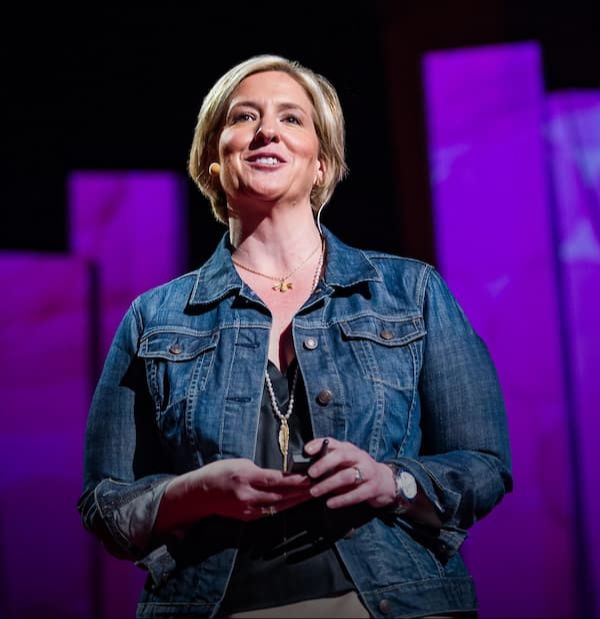
Brené Brown's research on shame, vulnerability, and courage has reshaped how a generation of leaders thinks about self-awareness. Her contribution to the self-leadership field is the evidence-based case that the willingness to be seen, to acknowledge what you do not know, and to lead from values rather than defensiveness is not weakness but the foundation of effective leadership.
Brown is best known for Daring Greatly, Dare to Lead, and Atlas of the Heart, and for one of the most viewed TED talks of all time. She is the speaker to book when an audience needs to understand that self-awareness is not a soft skill but the discipline that underpins everything else.
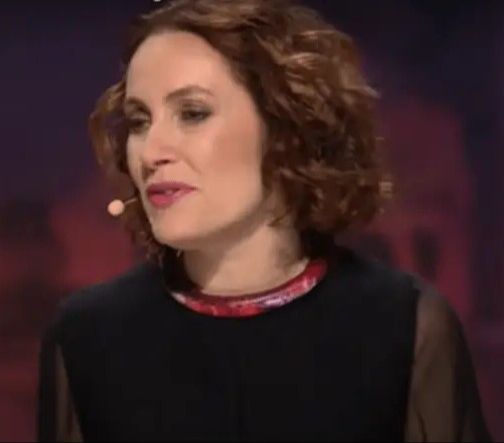
Susan David
Psychologist on the faculty of Harvard Medical School, and co-founder of the Institute of Coaching at McLean Hospital.
Susan David's contribution is the concept of emotional agility: the ability to relate to your thoughts and feelings in a way that lets you act in line with your values, rather than being driven by emotion in directions you would not have chosen on reflection. Her 2016 book Emotional Agility and her TED talk on the same topic have made the concept widely accessible without diluting its psychological substance.
David is the speaker to consider when an audience needs to move beyond surface-level self-awareness into actually changing how they relate to their internal experience. She is particularly effective with leadership teams under sustained pressure.
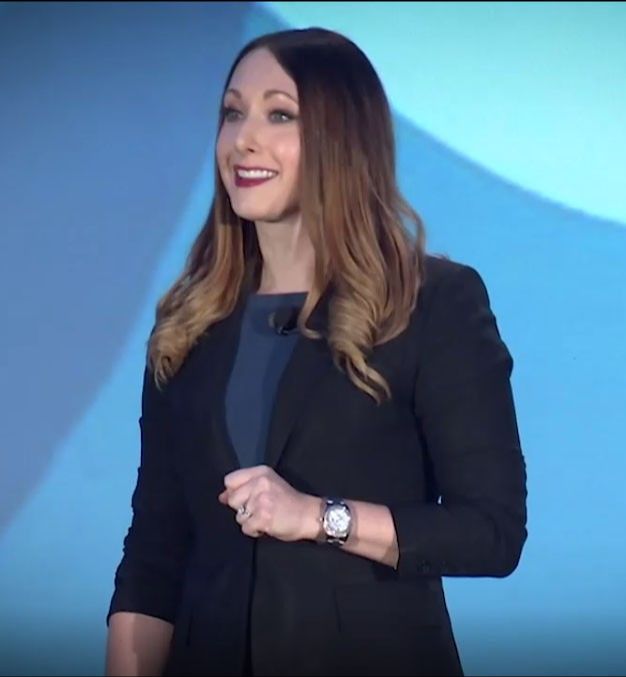
Tasha Eurich
Organizational psychologist and author of Insight: The Surprising Truth About How Others See Us, How We See Ourselves, and Why the Answers Matter More Than We Think.
Tasha Eurich's research produced one of the most cited findings in the self-awareness field: while around 95 percent of people believe they are self-aware, her research suggests the actual figure is closer to 10 to 15 percent. That gap, between believed and actual self-knowledge, is precisely the territory self-leadership has to address.
Eurich combines rigorous research with practical tools for closing that gap. She is well suited to executive teams, high-potential cohorts, and any organization where the diagnostic question is whether leaders genuinely understand how they are perceived.
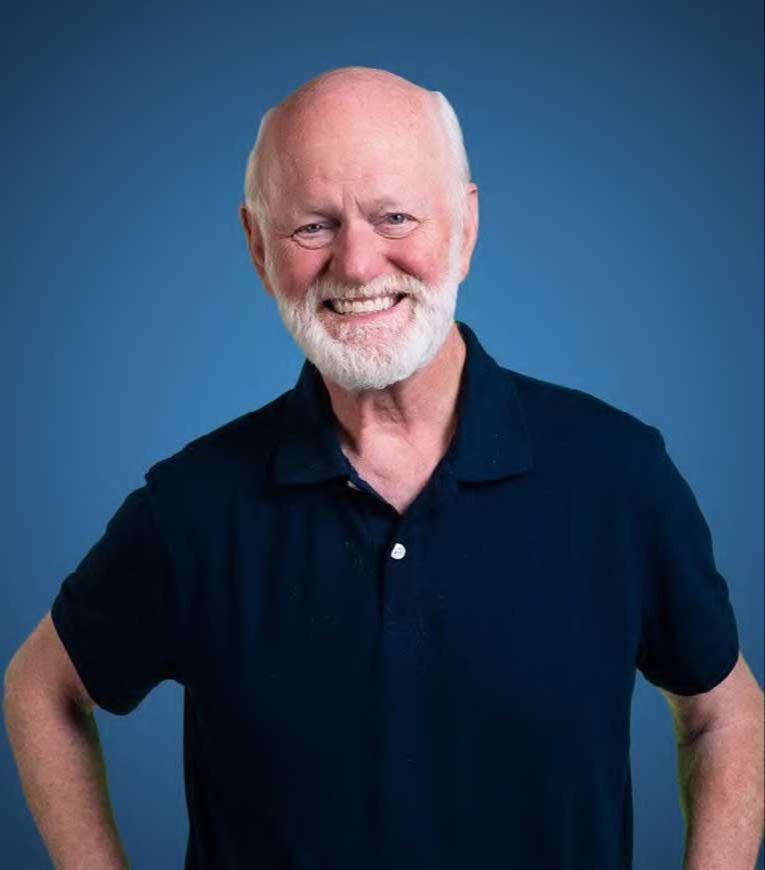
Marshall Goldsmith
Executive coach and author of What Got You Here Won't Get You There, Triggers, and The Earned Life. The only two-time Thinkers50 #1 Leadership Thinker in the world and a member of the Thinkers50 Hall of Fame, widely ranked as the world's #1 executive coach.
Marshall Goldsmith's contribution to self-leadership is methodological. His work focuses on the precise question of how leaders actually change their behavior, and why most attempts at change fail. The Stakeholder Centered Coaching method he developed and the daily-questions practice he teaches are among the most refined practical tools available for the self-management dimension of self-leadership.
Goldsmith is the speaker for audiences of senior executives, coaches, and HR leaders interested in the practical mechanics of behavioral change. His style is direct, occasionally provocative, and grounded in decades of work with top-tier global executives.
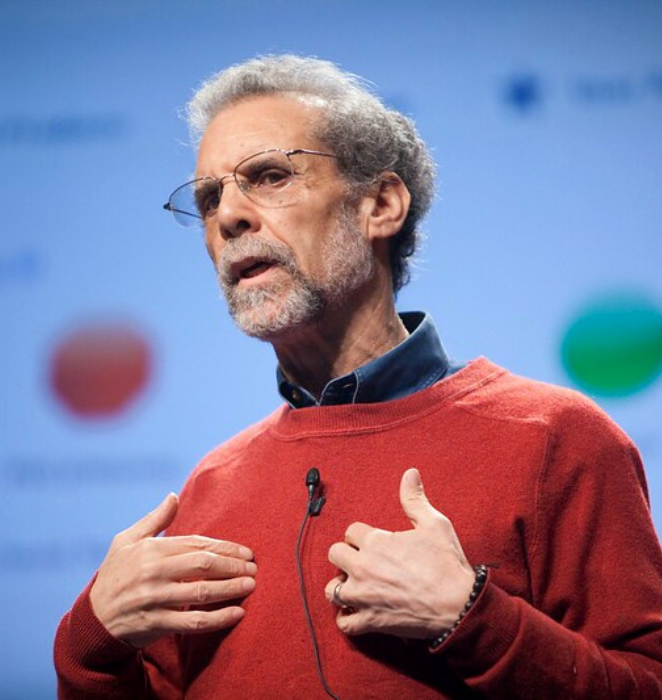
Daniel Goleman
Author of Emotional Intelligence, co-founder of the Collaborative for Academic, Social, and Emotional Learning, and co-director of the Consortium for Research on Emotional Intelligence in Organizations.
Daniel Goleman established emotional intelligence as a foundational construct in organizational life. His 1995 book Emotional Intelligence sold more than five million copies and has been translated into around 40 languages. The relevance to self-leadership is direct: in Goleman's framework, self-awareness and self-management are the first two of the four EI domains, and the foundation on which the other two depend.
Goleman is the speaker to book when an organization wants to anchor a self-leadership initiative in the underlying science of emotion and behavior, with the credibility of one of the most established voices in the field.
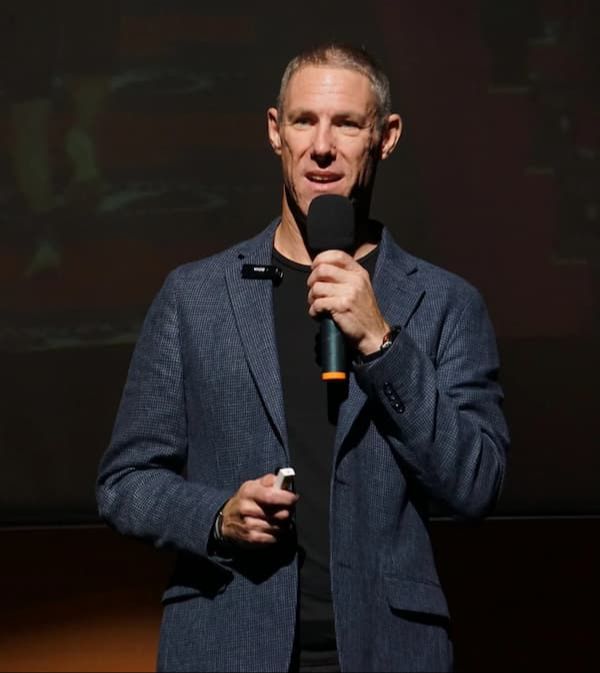
Nick Jonsson
Co-founder and Managing Director of EGN Singapore, executive coach, and author of Executive Loneliness: The 5 Pathways to Overcoming Isolation, Depression, and Anxiety in Today's Business World.
Nick Jonsson works on a dimension of self-leadership that the field has historically under-addressed: the mental health and isolation of leaders at the most senior levels. Drawing on surveys of executives across Asia and Europe, he makes the case that loneliness and anxiety are widespread among senior leaders, that the social cost of admitting to them keeps most executives silent, and that self-leadership at the top has to include the active management of one's own psychological state.
Jonsson brings a Swedish-Asian operating context and a personal story of endurance athletics and recovery. He is well-suited to senior executives and founders moving into roles where the usual support structures thin out, and to organizations willing to engage seriously with executive wellbeing.
Ethan Kross
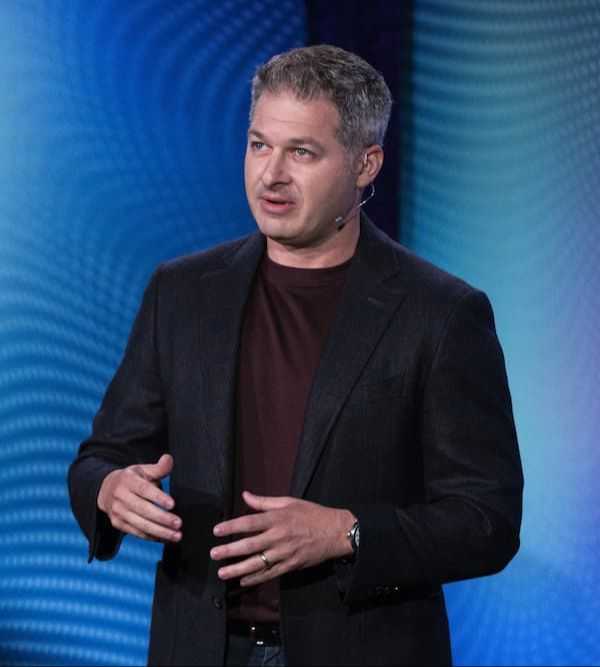
Professor of psychology at the University of Michigan, director of the Emotion and Self-Control Laboratory, and author of Chatter and Shift.
Ethan Kross's research focuses on the inner voice, the running commentary in our heads, how it shapes our experience, and how to manage it more effectively. His work has become one of the most accessible and scientifically grounded entry points into the self-regulation dimension of self-leadership.
Kross is among the academic voices most actively booked into the self-leadership category by the major speaker bureaus, and is particularly effective with senior leaders and knowledge workers dealing with the cognitive load of complex work.
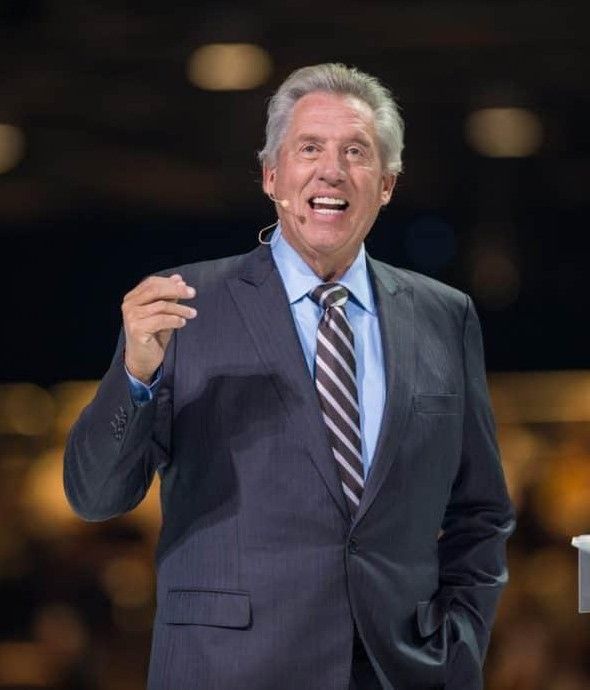
John C. Maxwell
Author of more than 70 books on leadership; founder of the John Maxwell Company, EQUIP, and the John Maxwell Team. Consistently ranked among the world's most influential leadership thinkers.
John Maxwell has argued, more forcefully and for longer than almost anyone, that the first person you have to lead is yourself. His writing on personal growth, daily disciplines, and the inner work of leadership has shaped how generations think about their own development. The 21 Irrefutable Laws of Leadership, Developing the Leader Within You, and Self-Improvement 101 are core references on the practitioner side of the field.
Maxwell is one of the highest-profile speakers on the global circuit, best suited to large-audience corporate and faith-based events where the brief is to motivate and equip leaders at scale.
Brian Tracy
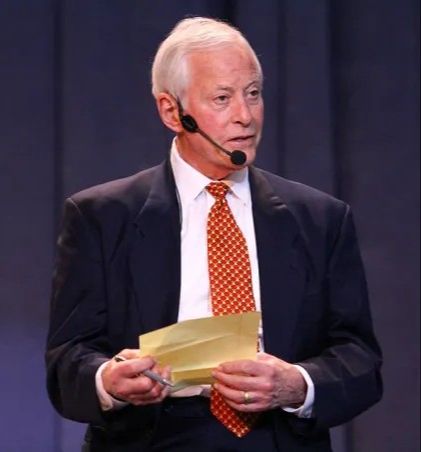
Author of more than 80 books, including Maximum Achievement, Eat That Frog!, and Goals!. Chairman and CEO of Brian Tracy International.
Brian Tracy has spent more than four decades teaching the disciplines of self-management, goal setting, time management, and personal effectiveness. His contribution is the systematic, practical end of the field: the specific habits and methods through which people take control of their day-to-day work and lives. His work on time management, distilled in Eat That Frog!, has become one of the most widely used frameworks of its kind.
Tracy is well suited to sales organizations, entrepreneurial audiences, and any group where the brief is the hard practical mechanics of self-discipline and execution.
What to look for when booking a self-leadership speaker
Five criteria are worth applying.
- Look for an underlying model, not only stories. The strongest self-leadership speakers work from a clearly articulated framework that explains why their material works, not only that it works. Stories are vehicles, but the model is what audiences take back to work.
- Look for evidence of work with comparable organizations. Self-leadership delivered to a hall of entrepreneurs is a different brief from self-leadership delivered to the executive committee of a regulated financial services business. Past work in adjacent contexts is the best predictor of fit.
- Look for a credible relationship with the underlying research. The field has a serious academic foundation. Speakers who treat the science casually, or who borrow the term without engaging with the literature, tend to deliver content that does not survive the journey from stage to Monday morning.
- Look for a position on the role of AI. In 2026, any self-leadership content that does not engage with how AI is changing knowledge work, learning velocity, and the demands on human judgment is incomplete. The speakers who have thought hardest about this are the ones whose material will still be relevant in three years.
- Look for someone who can teach as well as speak. The highest-value self-leadership engagements combine a keynote with a workshop, masterclass, or coaching layer. Speakers who can move between formats deliver materially better outcomes than those who can only do the stage.
About this guide
This guide is updated annually. If you are a self-leadership speaker who believes you should be listed but are not, or if you work in talent or learning and would like to suggest additions or corrections, please get in touch at selfleadership.com.